Joliet Serif Typeface for Elegant Branding and Print Design
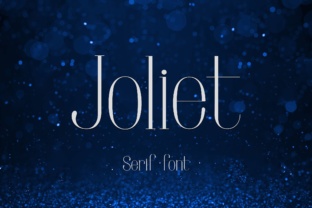
I was staring at a blank Canva canvas at 10 PM, trying to finalize the mockup for my new line of artisan soy candles. The label needed to feel expensive but approachable, sophisticated yet warm. I had tried several bold sans serifs, but they felt too corporate, and the script fonts I loved were getting lost in the small print area. That’s when I pulled up Joliet, a serif typeface perfect for elegant headlines and logo designs. It pairs nicely with script and sans serif fonts, and can add tons of charm to your works. Within minutes, the entire vibe of the candle brand shifted from generic craft store to boutique shelf-ready.
If you are a crafter, handmade seller, or printable creator looking to elevate your visual identity, this review is for you. After testing Joliet across various mediums—from die-cut stickers to digital wedding invitations—I want to share how this font performs in real-world production scenarios. Whether you are designing for Etsy, creating templates for Cricut users, or building a full brand identity, understanding the nuance of a high-quality serif like Joliet is crucial for selling premium products.
Joliet for Candle Labels and Boutique Packaging Design
When it comes to product packaging, first impressions are everything. Joliet shines brightest when used as a display font on physical goods. In my testing, I applied Joliet to minimalist white labels for lavender soap bars and honey jars. The serif details provided a subtle texture that caught the eye without overwhelming the design. Because it is a serif font, it carries an inherent sense of tradition and trustworthiness, which is vital for homemade goods where customers want to feel connected to the maker’s story.
I found that Joliet works exceptionally well for short phrases, names, and titles on packaging. For example, using it for the main product name ("Lavender Honey") created a beautiful focal point. However, I avoided using it for dense label information like ingredients or usage instructions. The decorative nature of elegant serifs can reduce readability at very small sizes. Instead, I paired Joliet with a clean sans serif font for the body text. This combination leverages the fact that Joliet is a serif typeface perfect for elegant headlines and logo designs, while ensuring the fine print remains legible. This contrast not only looks professional but also helps customers quickly identify the product while trusting the safety information.
For sellers printing their own tags or ordering custom packaging, Joliet adds tons of charm to your works by elevating the perceived value. A simple kraft paper tag printed with Joliet in black ink feels significantly more luxurious than one printed with a standard Arial or Helvetica. This small detail can justify higher price points and improve customer retention because the unboxing experience feels curated and thoughtful.
Joliet in Wedding Stationery and Digital Invitations
As a creator of digital downloads, I frequently design wedding invitation suites. The market is saturated, so standing out requires a touch of modern typography that still respects tradition. Joliet offers a versatile personality that bridges the gap between classic editorial design and contemporary minimalism. I tested this font extensively on a full wedding stationery set, including save-the-dates, RSVP cards, and table numbers.
The elegance of Joliet makes it ideal for the couple’s names and event details. When paired with a delicate script font for secondary text, such as "Request the pleasure of your company," the hierarchy becomes clear and visually pleasing. This pairing strategy is key: use Joliet for the structural elements (names, dates, venues) and let the script provide the romantic flair. This approach ensures that the design remains readable on mobile devices, where many guests will view digital invites, while maintaining the sophistication required for formal events.
I also explored using Joliet for non-wedding stationery, such as baby shower invitations and birthday party cards. Its charm translates well to these occasions as well, offering a gender-neutral yet refined aesthetic. For printable creators, providing Joliet in a commercial license allows buyers to create unlimited physical copies for their own events. This versatility increases the appeal of your digital assets, as customers look for fonts that are both beautiful and functional for personal celebrations.
Joliet for Social Media Graphics and Shop Branding
In the world of online selling, your shop banner, listing images, and social media graphics are your storefront. Joliet brings a cohesive brand identity to these digital spaces. I used Joliet to create a series of Instagram posts promoting my latest collection of handmade tote bags. The serif structure held up beautifully even when resized for mobile screens, ensuring that the headline grabbed attention instantly.
One of the strongest advantages of Joliet is its ability to pair nicely with script and sans serif fonts. This flexibility allows designers to maintain consistency across different platforms. For instance, I used Joliet for the main text on Facebook ads, a handwritten font for the call-to-action button text, and a neutral sans serif for the description. This mix creates a dynamic yet unified look that guides the viewer’s eye naturally through the content. For small business owners, having a go-to serif like Joliet simplifies the design process, reducing decision fatigue and speeding up content creation.
Furthermore, Joliet is excellent for creating quote graphics or inspirational prints, which are popular items in the printable wall art niche. The font’s elegance lends itself well to motivational sayings, making them feel like timeless pieces rather than fleeting trends. When designing these digital downloads, ensure that the contrast between the font color and background is high enough to maintain readability. Joliet’s distinct letterforms help prevent blending, especially when used in lighter weights against textured backgrounds.
Joliet for Merchandise and Cut Files
For those who use cutting machines like Cricut or Silhouette, choosing the right font file format is critical. Joliet converts cleanly into SVG and DXF files, preserving its sharp serifs and smooth curves. I tested this by designing a farmhouse-style sign for a home decor listing. The font’s clarity ensured that the cut lines were precise, resulting in a crisp final product that didn’t require excessive sanding or rework.
However, caution is advised when using Joliet for intricate cut designs. If the letter spacing is too tight, the thin parts of the serifs might break during the weeding process. I recommend adding slightly more kerning than you would for a standard block font. Additionally, for very tiny cuts, such as those used on jewelry tags or miniature gift boxes, Joliet may lose its definition. In these cases, switching to a simpler sans serif font or a bolder weight of Joliet (if available) is advisable.
Merchandise like mugs, shirts, and tote bags benefits greatly from the upscale feel of Joliet. When screen printing or heat transferring designs, the solid shapes of the serif letters hold up well to the medium. I’ve seen Joliet used effectively for minimalist logos on apparel, where the brand name stands alone without additional imagery. This simplicity aligns with current fashion trends, allowing the typography to speak for itself. Remember to check the included styles and weights before purchasing; having access to italics or bold variants can expand your creative possibilities significantly.
Final Considerations for Buyers and Designers
Before integrating Joliet into your commercial projects, always verify the licensing terms. As a premium font, it typically requires a commercial license for use on physical products sold for profit. Ensure that the package includes all necessary file formats (.OTF, .TTF) and multilingual support if you plan to cater to international audiences. The font’s ability to add tons of charm to your works is undeniable, but its true value lies in its versatility and readability.
In summary, Joliet is a robust addition to any designer’s toolkit. It excels in branding, packaging, and editorial contexts, offering a blend of elegance and modernity. By testing it on real products, I found that it consistently enhances the perceived quality of handmade goods. Whether you are designing a single candle label or a complete wedding suite, Joliet provides the reliable foundation needed to create stunning, professional-grade designs. For makers seeking to distinguish their work in a crowded marketplace, investing in a high-quality serif typeface like Joliet is a strategic move that pays off in aesthetics and sales.